



Parasite
Antiparasitics are a class of medications which are indicated for the treatment of parasitic diseases such as nematodes, cestodes, trematodes, and infectious protozoa.
Parasite Isoform Specific Products
All Product Categories
-
Parasite Related Products (2510)
Related Products (2510)

-
Related Compound Screening Libraries (1)
-
Parasite Isoform Comparison
-
Picaridin (Standard)
 0 ImagesSynonyms: Lcaridin (Standard)Picaridin (Standard) is the analytical standard of Picaridin. This product is intended for research and analytical applications. Picaridin (Lcaridin) is a broad spectrum arthropod repellent. The repellent and deterrent activities of Picaridin involve olfactory sensing in mosquitoes, and ticks, via their interactions with odorant receptor proteins.
-
1-Decanol
 0 Images1-Decanol (Decyl alcohol) is a nematicidal agent derived from Houttuynia cordata, with an LC50 of 31.5 μg/mL against potato cyst nematodes (PCN). 1-decanol directly damages nematode surface structures, induces cellular apoptosis, and disrupts the oxidative stress regulation system, while also downregulating defense-related metabolic pathways in potato, thereby promoting the reallocation of metabolic resources from defense to growth. 1-Decanol can be used for the research of potato cyst nematode infestation.
-
WR99210 hydrochloride
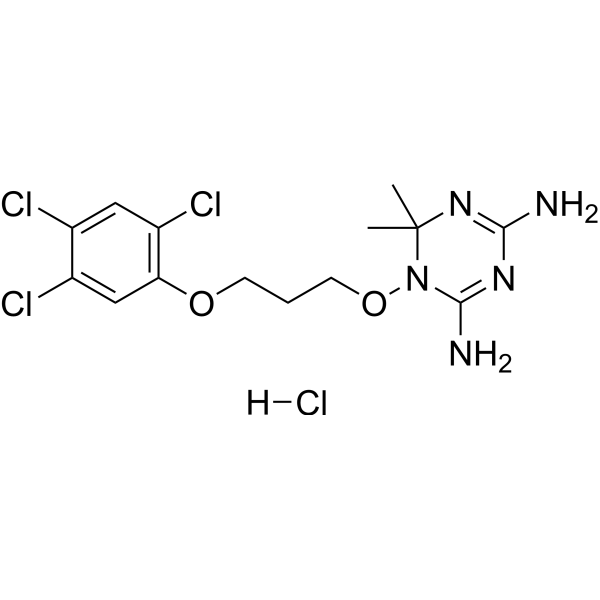 0 ImagesSynonyms: BRL 6231WR99210 hydrochloride is an orally active and low-toxicity dihydrofolate reductase (DHFR) inhibitor (IC50<0.075 nM). WR99210 hydrochloride shows good antiparasitic activity and is effective against P. falciparum and P. falciparum strains as well as T. gondii.
-
Fluralaner (Standard)
 0 ImagesSynonyms: A1443 (Standard); AH252723 (Standard)Fluralaner (Standard) is the analytical standard of Fluralaner. This product is intended for research and analytical applications. Fluralaner (INN) is a systemic insecticide and acaricide Fluralaner through potent blockage of GABA and L-glutamate gated chloride channels.
-
Triclabendazole sulfoxide
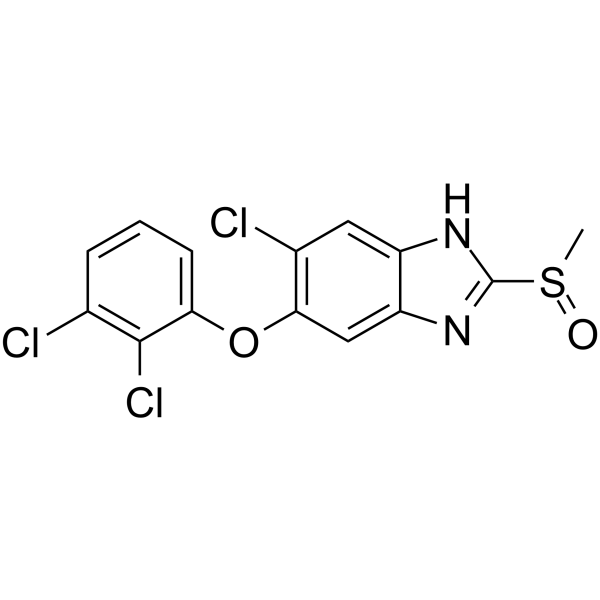 0 ImagesSynonyms: TCBZ-SOTriclabendazole sulfoxide (TCBZ-SO) is an orally active ABCG2 inhibitor with antiparasitic activity. Triclabendazole sulfoxide inhibits ABCG2-mediated active efflux and ATPase activity. Triclabendazole sulfoxide increases the intracellular accumulation of Mitoxantrone (HY-13502). Triclabendazole sulfoxide reduces the apical-directed transepithelial transport of Nitrofurantoin and Danofloxacin, while increasing their basolateral-directed transepithelial transport. Triclabendazole sulfoxide elevates the plasma levels of sulfasalazine in wild-type mice. Triclabendazole sulfoxide decreases ABCG2-mediated secretion of Nitrofurantoin into milk in wild-type lactating mice. Triclabendazole sulfoxide can be used in the research of insecticidal agents and cancers such as breast cancer.
-
Ganaplacide hydrochloride
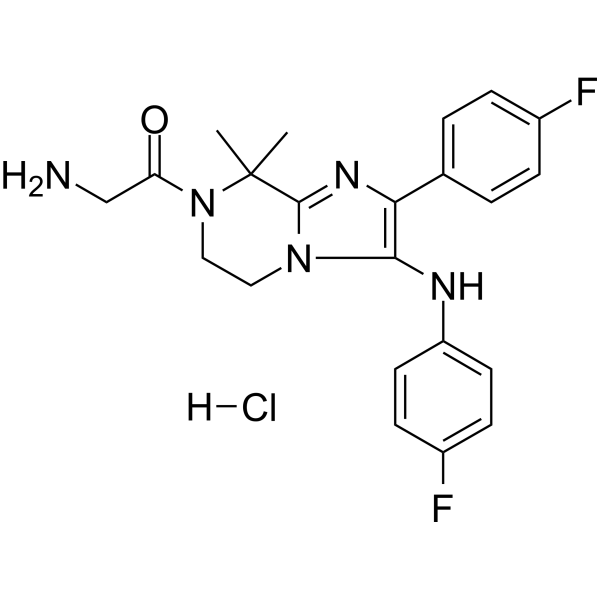 0 ImagesSynonyms: KAF156 hydrochloride; GNF156 hydrochlorideGanaplacide (KAF156) hydrochloride is a first-in-class, orally active imidazolopiperazine antimalarial agent. Ganaplacide hydrochloride is active against a broad range of Plasmodium species, including drug-resistant parasites. Ganaplacide hydrochloride is parasiticidal against both asexual and sexual blood stages as well as the liver stages of the parasite.
-
MMV390048
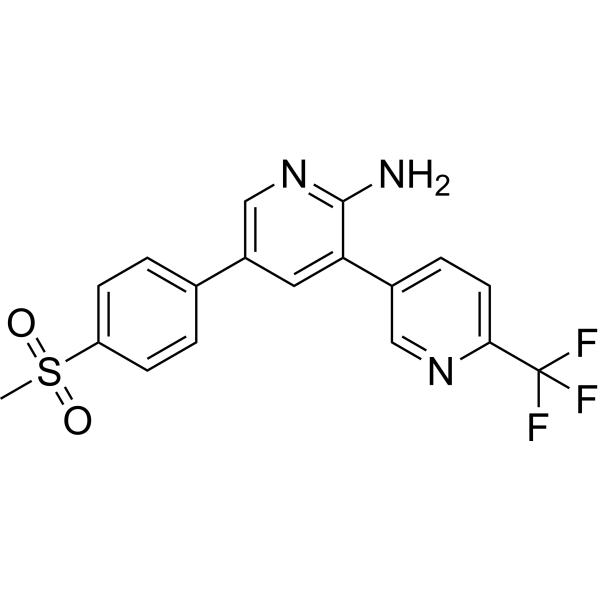 0 ImagesMMV390048 is a representative of a new chemical class of Plasmodium PI4K inhibitor (Kdapp=0.3 µM). MMV390048 binds to the ATP binding site of Plasmodium PI4K and does not bind to other P. falciparum and human kinases apart from human PIP4K2C, thus alleviating potential kinase-mediated safety concerns. MMV390048 is an antimalarial agent.
-
Artemether-d3
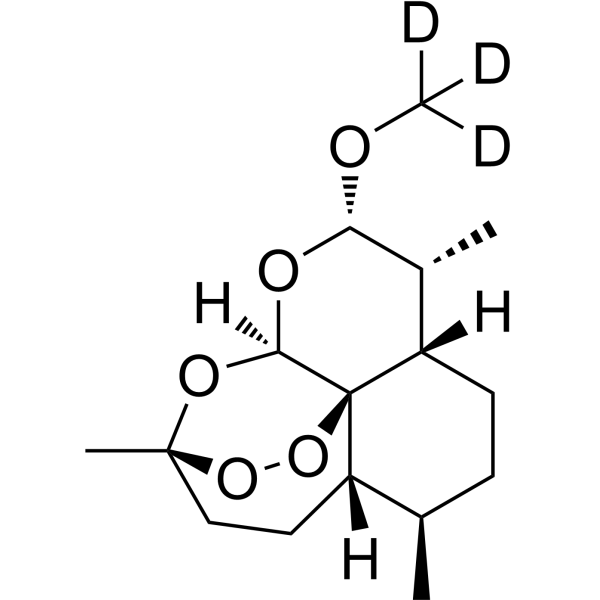 0 ImagesSynonyms: Dihydroqinghaosu methyl ether-d3; Dihydroartemisinin methyl ether-d3; SM224-d3Artemether-d3 is the deuterium labeled Artemether. Artemether is an antimalarial for the treatment of resistant strains of falciparum malaria.
-
Eugenol-d3
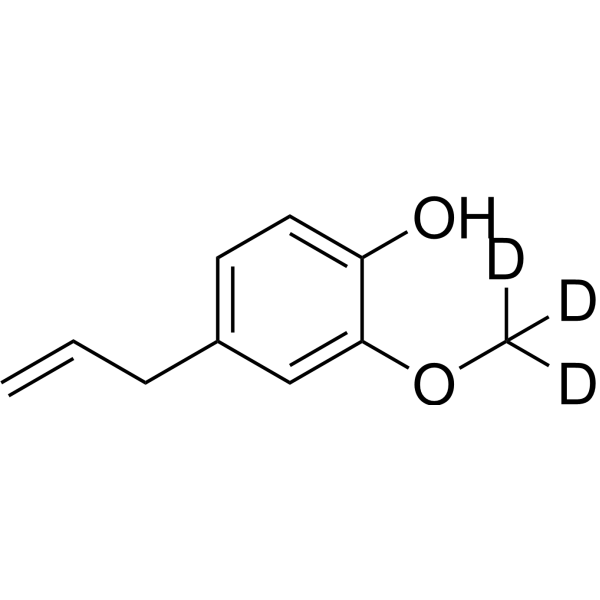 0 ImagesEugenol-d3 is the deuterium labeled Eugenol. Eugenol is an essential oil found in cloves with antibacterial, anthelmintic and antioxidant activity. Eugenol is shown to inhibit lipid peroxidation.
-
SIBA
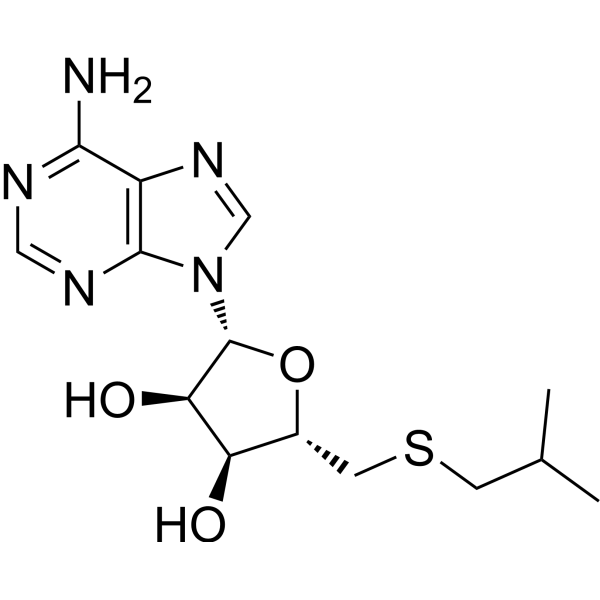 0 ImagesSynonyms: 5'-Isobutylthioadenosine; 5'-Deoxy-5'-isobutylthioadenosineSIBA (5'-Isobutylthioadenosine) is a transmethylation inhibitor (SAH (HY-19528) analogue), with potent anti-proliferative activity. SIBA reversibly inhibits the production of HSV-1 by blocking methylation, specifically by blocking the 5' end-capping of viral mRNA. SIBA also inhibits the growth of tumour cells in vitro and metastatic spread in vivo. SIBA can be used in cancer, HSV-1 infection and anti-malaria studies.
-
Ursolic acid acetate
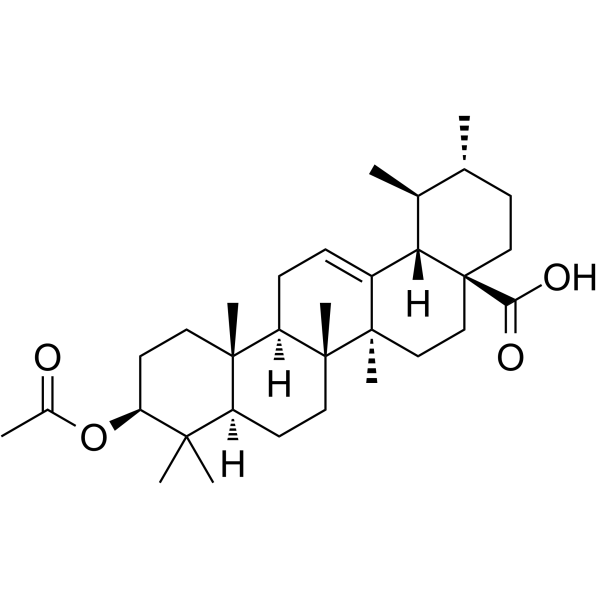 0 ImagesSynonyms: Acetylursolic acid; 3-Acetylursolic acidUrsolic acid acetate (Acetylursolic acid) is a triterpenoid compound and an inhibitor of Plasmodium falciparum heat shock protein 90 (PfHsp90) with a KD of 8.16 μM. Ursolic acid acetate is cytotoxic to KB cells, with an IC50 value of 8.4 μM. Ursolic acid acetate can be used in tumor and antimalarial research.
-
Azadirachtin B
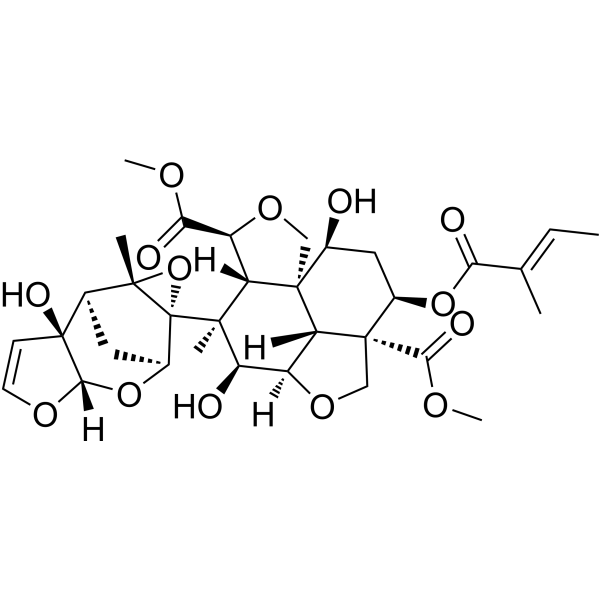 0 ImagesAzadirachtin B is an limonoid isolated from seed kernels of Azadirachta indica. Azadirachtin B increases alkaline phosphatase (ALP) activity and stimulates osteoblast differentiation. Azadirachtin B is active against the Epstein-Barr virus early antigen (EBV-EA). Azadirachtin B has insecticidal, nematocidal, anticancer, anti-inflammatory, antiviral and osteogenic properties.
-
Rapanone
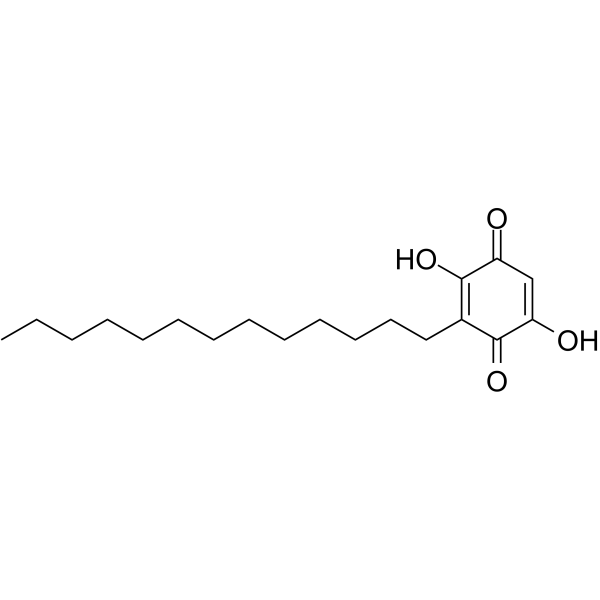 0 ImagesRapanone is a natural benzoquinone. Rapanone exhibits a broad spectrum of biological actions, including anti-tumor, antioxidant, anti-inflammatory, antibacterial and antiparasitic. Rapanone also is a potent and selective human synovial PLA2 inhibitor, with an IC50 of 2.6 μM.
-
Flumethrin
 0 ImagesSynonyms: FCR 2769Flumethrin (FCR 2769) is a pyrethroid insecticide and acaricide. Flumethrin targets voltage-gated sodium channels and estrogen receptor α (ERα). Flumethrin induces cytotoxicity, apoptosis, genotoxicity and DNA damage in breast cancer cells by regulating the expression of BCL2, BAX, TP53 and P21 genes. Flumethrin is applicable to relevant studies on ectoparasite infections (tick and flea burdens) in dogs and cats, as well as breast cancer.
-
Pefloxacin
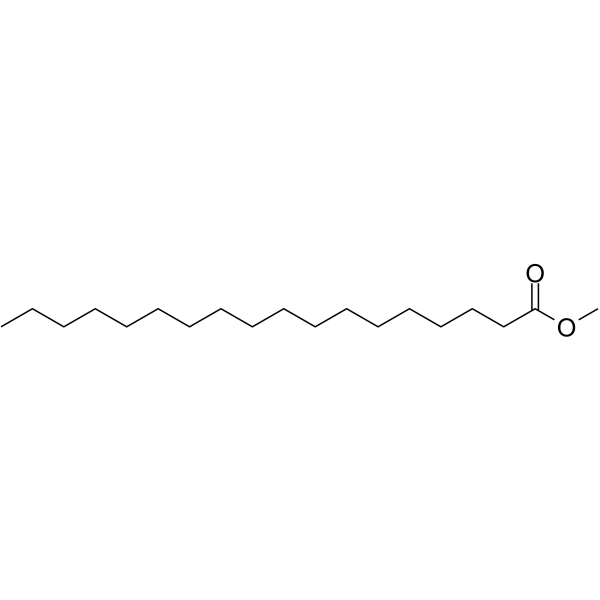
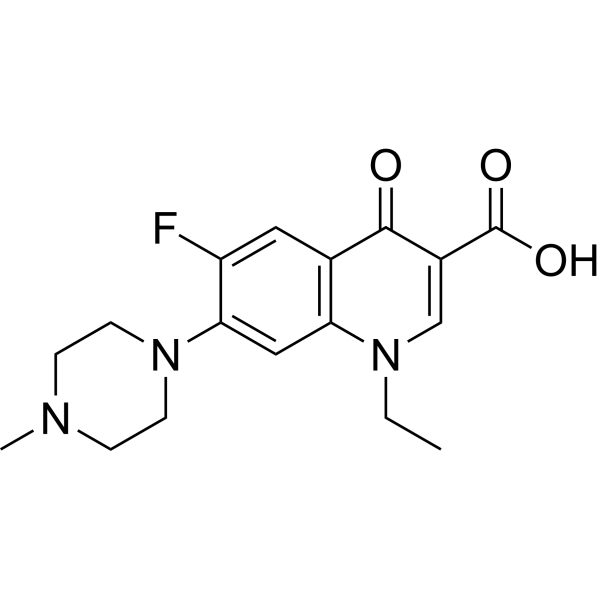 0 ImagesSynonyms: PefloxaciniumPefloxacin (Pefloxacinium) is a broad spectrum antibiotic. Pefloxacin blocks DNA replication by inhibiting DNA gyrase. Pefloxacin inhibits DNA relaxation catalyzed by topoisomerase I with an IC50 of 45 μg/mL. Pefloxacin exhibits antibacterial activity against Escherichia coli, Pseudomonas aeruginosa, and Bacteroides fragilis with MIC90s of 0.12, 4, and 16 mg/L, respectively. Pefloxacin has anti-Plasmodium yoelii infection activity. Pefloxacin increase UVA-induced edema and immunesuppression. Pefloxacin can be used for infection studies.
-
8-Deoxygartanin
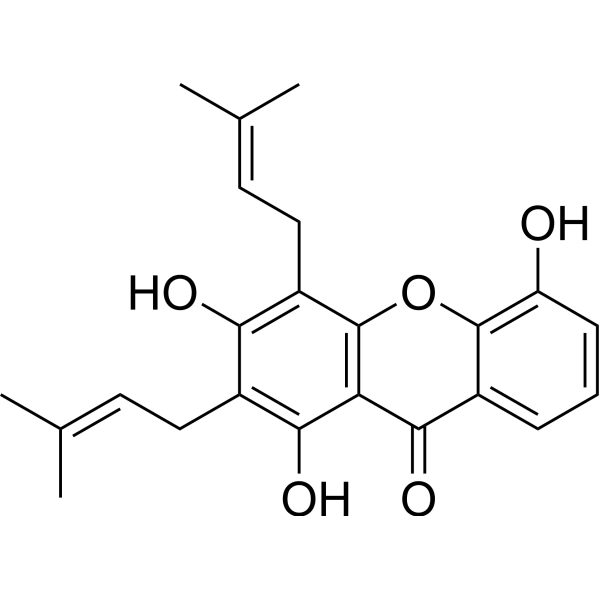 0 Images8-Deoxygartanin, a prenylated xanthones from G. mangostana, is a selective inhibitor of butyrylcholinesterase (BChE). 8-Deoxygartanin exhibits antiplasmodial activity with an IC50 of 11.8 μM for the W2 strain of Plasmodium falciparum. 8-Deoxygartanin inhibits NF-κB (p65) activation with an IC50 of 11.3 μM.
-
Hydroquinine
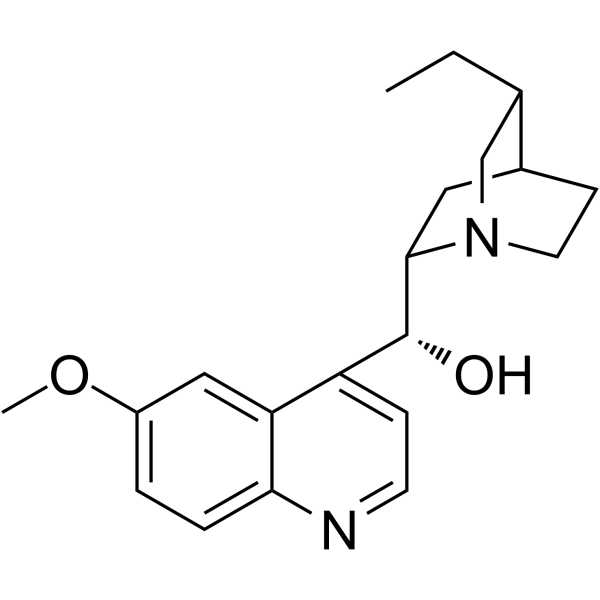 0 ImagesHydroquinine (Dihydroquinine) is an anti-bacterial agent that inhibits both Gram-positive and Gram-negative bacteria. Hydroquinine inhibits the growth of multidrug-resistant pseudomonas aeruginosa via the suppression of the arginine deiminase pathway genes. Hydroquinine inhibits Plasmodium falciparum and Plasmodium berghei. Hydroquinine displays anti-malarial and demelanizing activities. Hydroquinine effectively induces specific RND-type efflux pump systems in Pseudomonas aeruginosa, particularly the MexCD-OprJ and MexXY efflux pumps. Hydroquinine inhibits Pseudomonas aeruginosa adhesion and biofilm formation. Hydroquinine serves as a precursor for derivatives such as C9 epihydroquinine, 9-acetoxy-10,11-dihydroquinine, and 10,11-dihydroquinine monohydrochloride.
-
3,4-Methylenedioxycinnamic acid
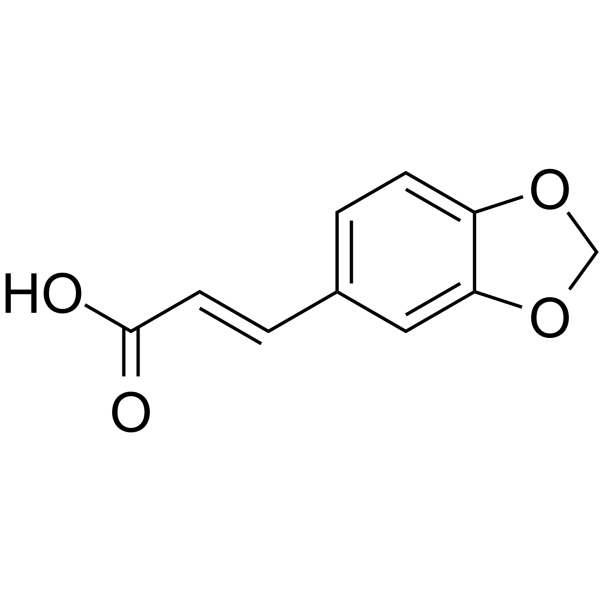 0 Images3,4-Methylenedioxycinnamic acid is an inhibitor of the 4-hydroxycinnamoyl-CoA ligase (4CL) with a Ki of 100 μM. 3,4-Methylenedioxycinnamic acid exhibits the Km value for the substrate ferulic acid of 4CL is 8.4 μM.3,4-Methylenedioxycinnamic acid increases the formation of soluble phenolics in particular of vanillic acid. 3,4-Methylenedioxycinnamic acid demonstrates larvicidal activity.



